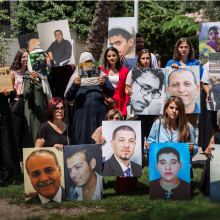
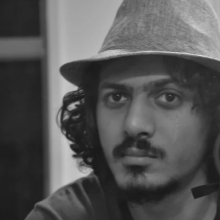
Geneva/Rabat, December 12, 2025 — The Moroccan Association for Human Rights (AMDH) and MENA Rights Group have referred the case to the UN Committee Against Torture (CAT) on behalf of the family of Yassine Chabli, who died at the age of 28 on the night of 5 to 6 October 2022 at the Ben Guerir police station. The two organisations denounce the acts of torture that preceded his death and serious irregularities in the investigation and judicial proceedings that followed.
Yassine Chabli, a former security guard, was arrested while sitting in a public park on October 5, 2022, handcuffed and forcibly taken to the police station. He was described as being in good health, with no medical history or particular disorders.
Upon arrival at the police station, Yassine Chabli was repeatedly slapped by a police officer before being placed in a cell, despite showing obvious signs of distress. During the night, after a brief visit to hospital, he was tied to the bars of his cell in a painful position and violently beaten by officers. CCTV footage shows that he was then left unattended for several hours, deprived of medical care despite his critical condition. He was found dead in his cell at around 1 p.m. on October 6. His body bore visible signs of torture.
An investigation was opened at the request of the Attorney General, including an autopsy. However, serious irregularities marred the proceedings: part of the investigation was entrusted to the same police station where Yassine Chabli died, compromising any impartiality and independence.
On December 1, 2022, the Attorney General issued a statement attributing Yassine Chabli's death to “self-inflicted” injuries sustained during falls linked to an alleged “hysterical state”. This official version influenced public opinion and the trial, effectively exonerating the state and suggesting that the victim was responsible for his own death. Four police officers were prosecuted for “committing acts of violence during duty” and “unintentional killing resulting from negligence, lack of precaution, and lack of foresight”, rather than for torture.
Between 2023 and 2025, the four police officers were tried before the misdemeanour courts of Marrakesh and Ben Guerir. However, the courts of first instance initially declared themselves incompetent, ruling that the acts constituted torture and should be tried before criminal courts. Three police officers were ultimately sentenced to prison terms, but without the acts of torture being recognised as such.
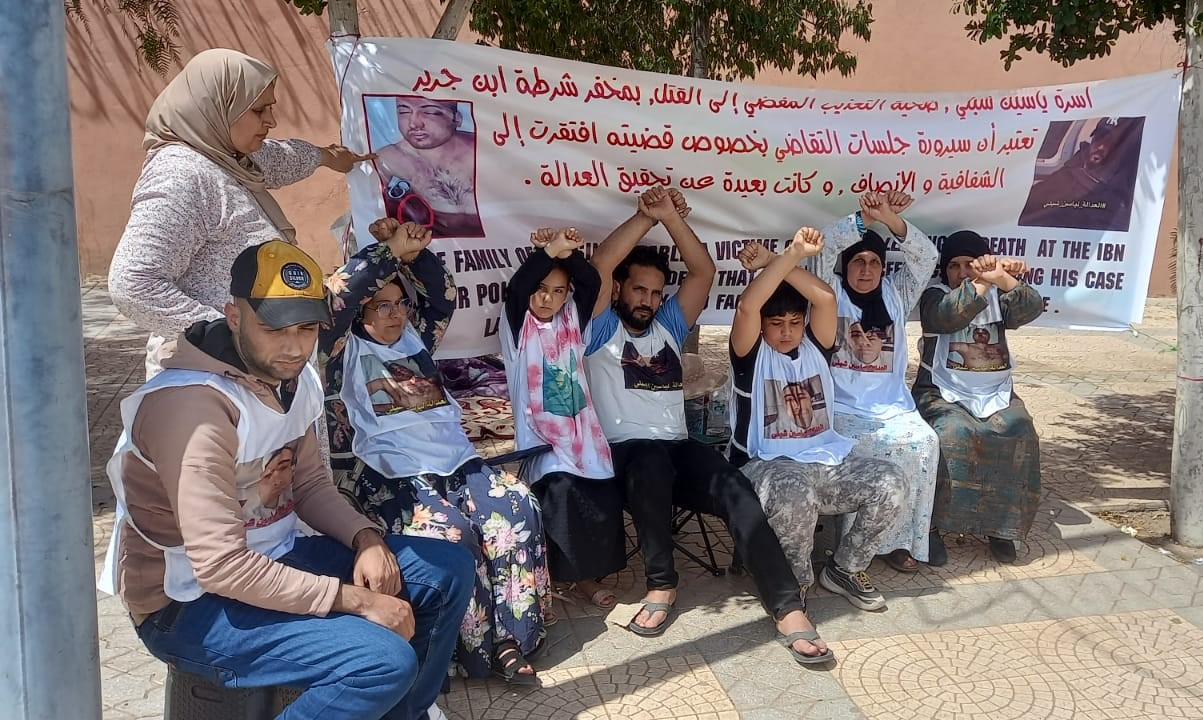
Since Yassine Chabli’s death, his family has been campaigning for truth and justice: filing a complaint for murder, organising regular demonstrations and requesting access to the video recordings of his police custody. In retaliation, several relatives have been prosecuted and convicted of contempt, disturbing public order or participating in unauthorised gatherings.
According to the AMDH, a civil party in the case, “as long as the truth is concealed and the family is subjected to pressure for seeking justice, confidence in the ability of the justice system to punish acts of torture will remain deeply compromised.”
MENA Rights Group stresses that “the Chabli case remains a decisive test of Morocco’s commitment to its international obligations. The continued refusal to classify the violence suffered by Yassine Chabli as acts of torture reveals an intent to downplay the facts and evade appropriate criminal accountability.”
Morocco ratified the Convention against Torture in 1993 and criminalises torture in its Penal Code (Article 231-1). However, this classification was not retained in the Chabli case, despite the fact that the elements constituting the offence were present under domestic law and international standards.
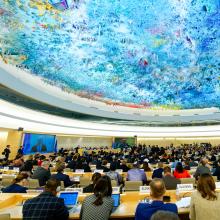
On December 3, 2025, AMDH and MENA Rights Group referred the case to the Committee against Torture to request the reopening of the trial and the reclassification of the acts as torture, in accordance with Article 231-1 of the Moroccan Penal Code and the Convention against Torture.
Through this referral, the two organisations are calling for full justice to be done to Yassine Chabli and for effective safeguards to be put in place to protect the physical integrity of detainees in Morocco, so that such violations do not occur again in the future.