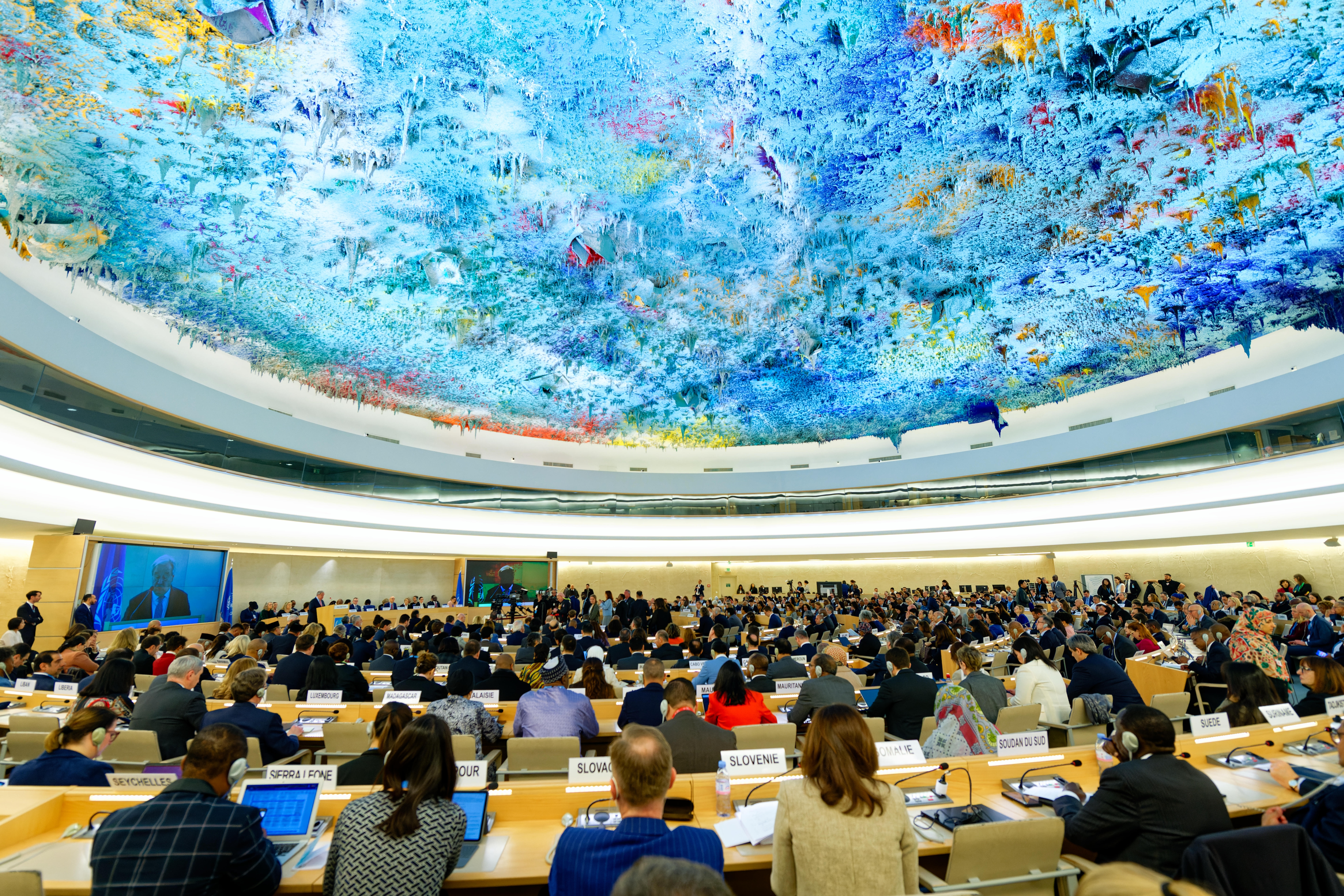
On September 24, 2026, the United Nations Assistant Secretary-General for Human Rights (ASG), Claudia Fuentes Julio presented the annual report of the UNSG, which includes both newly documented cases from the reporting period and follow-up information on situations previously raised, such as changes in detention conditions, judicial or administrative measures, or recurring patterns of intimidation.
“Shrinking civic space and increased surveillance online and offline are fuelling a hostile climate that hinders civil society’s cooperation with the UN and its human rights mechanisms,” explains ASG Claudia Fuentes Julio.
This year’s report includes a number of cases documented and submitted by MENA Rights Group across several countries in the region, with particular focus on the growing trend of transnational repression, as outlined by Fuentes Julio: “Civil society actors are targeted beyond the borders of their own countries – through arbitrary detention, physical attacks, surveillance, threats, online harassment, movement restrictions, confiscation of passports, and intimidation of family members.”
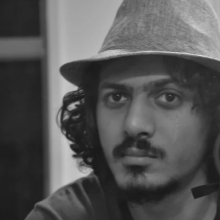
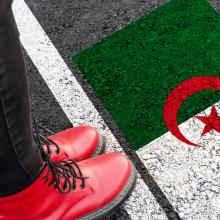
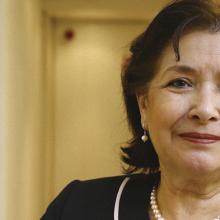
For Algeria, the report mentions the cases of Jamila Loukil and Kaddour Chouicha for the fourth consecutive time. Both members of the now-dissolved Ligue Algérienne pour la Défense des Droits de l’Homme (LADDH), they have been facing reprisalstheir involvevement in the Hirak protest movement since 2019. Kaddour’s appeal challenging the dissolution of the LADDH was dismissed by the Conseil d’Etat in June 2025.
The report also provides updates on the case of Mustapha Bendjama who was prosecuted and convicted in cases related to his work as a journalist, and whose sentence was reduced from one year to six months in prison, as well as a fine of 50,000 dinars in February 2026.
For Saudi Arabia, the report follows up on Loujain al-Hathloul’s indefinite travel ban and the two still unanswered letters she sent to the royal court in December 2025. In its response to the ASG, the Government rejected all allegations that Loujain had been subjected to torture, arbitrary detentions, or disappearance, as well allegations that she had been targeted because of her cooperation with the UN.
The report includes new developments in the case of Basma Mostafa (Egypt), which MENA Rights Group had raised in its submission, as well as that of Abdulhadi al-Khawaja, Abduljalil al-Singace, and Hassan Mushaima (Bahrain), and the situation of the Yemeni NGO Mwatana Organization for Human Rights.
“Transnational repression is finally being treated as its own category of reprisal, confirming a pattern we have long documented in the MENA region,” says Tanya Boulakovski, Senior Legal Officer & Research Lead at MENA Rights Group. “Once again, branding critics as ‘terrorists’ or ‘security threats’ proves to be the weapon of choice of repressive governments against those who dare speak to the UN about human rights violations.”
While this report is not exhaustive, as many individuals refrain from speaking out publicly or choose not to have their case included for fear of retaliation, it exposes the impossible dilemma people around the world continue to face: choosing between defending human rights and ensuring their own safety.
MENA Rights Group welcomes the different initiatives taken across the UN system to support the safe engagement of civil society.
We will continue to monitor these cases and join the ASG in calling on states to refrain from any acts of intimidation and reprisals, ensure accountability for violations and abuses, and protect those who engage with the UN.