PARIS, France, November 19, 2026 – In 2023, MENA Rights filed a lawsuit before the Paris Court on behalf of two Yemeni men who were secretly detained and tortured by Emirati forces inside the Balhaf gas plant in the south of the country. Today, the court heard their case against TotalEnergies, the plant’s largest shareholder, who has failed to identify and prevent the abuses. The court will deliver its decision on March 18, 2027.
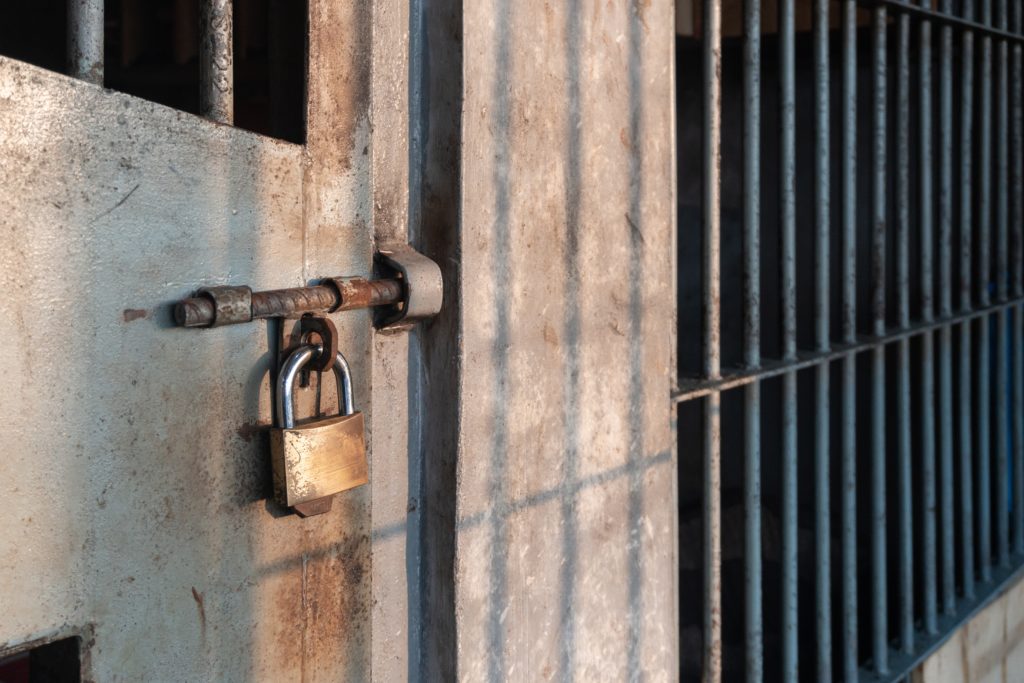
The Balhaf plant, on Yemen’s southern coast in the Shabwah governorate, was built to export liquefied natural gas and is operated by Yemen LNG, whose biggest shareholder is TotalEnergies with 39.6%. After production stopped in 2017 due to the growing insecurity in the country, Emirati forces took over part of the site and used it as a military base and detention facility.
The two men were held there in 2018 and 2019 respectively. MENA Rights Group documented their cases and formally notified TotalEnergies of the abuses committed against them in May 2022, before filing a civil lawsuit in February 2023 under France’s vigilance law.
Both men were held without contact with their families or lawyers for weeks at a time and subjected to several acts of torture. They were then transferred to other secret detention facilities and eventually released.
What happened in court today
At today’s hearing, Louis Cofflard, the lawyer acting on behalf of MENA Rights Group and the two torture survivors, asked the court to grant both men their right to reparations from TotalEnergies on account of the firm’s breach of the 2017 vigilance law by excluding Balhaf from its risk assessment; and called on TotalEnergies to include Yemen LNG’s activities in its upcoming vigilance plans, and take all necessary steps to prevent the recurrence of human rights abuses. TotalEnergies argued that the Balhaf gas plant falls outside the scope of its obligations under France’s duty of vigilance law.
The UN Group of Eminent Experts on Yemen found in their 2019 report that enforced disappearance, arbitrary detention, and torture were committed across these facilities. The site has been identified as part of a larger network of detention facilities run by UAE forces across southern Yemen. Journalists, human rights organisations, and UN experts have documented the wider pattern of abuses committed at such facilities since 2017. Despite the UAE’s withdrawal from Yemen in January 2026, and the government-ordered closure of secret prisons in the south, no one has been held accountable for the acts committed inside them.
“For years, people were held in secret and tortured inside a gas plant co-owned by one of France’s biggest companies. A 0.4% difference in shareholding is no excuse for TotalEnergies to look away from what happened there,” said Falah Sayed, Senior Legal Officer at MENA Rights Group, who was present at the hearing today.
“This hearing tests the real reach of the 2017 duty of vigilance law, which was never designed to be sidestepped by a shareholding threshold. When a company is the largest shareholder in a site and has decisive influence over its operations, it cannot exclude the most serious risks from its plan, least of all torture. The court’s decision will reach far beyond TotalEnergies. It will decide whether the law holds where the risks are greatest and protects the people it was written for,” added Me Louis Cofflard, the lawyer representing MENA Rights Group and the two survivors.