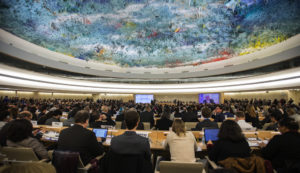
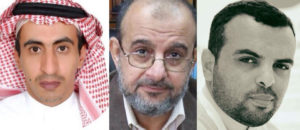
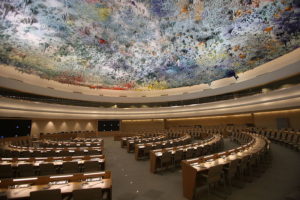
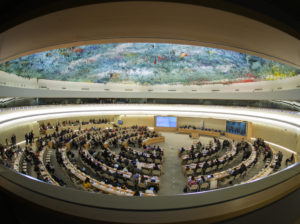
In a joint letter to 48 ministries of foreign affairs from all regional groups at the UN, 40 human rights organisations call on states to advance a resolution at the Human Rights Council addressing ongoing human rights violations in Saudi Arabia.
To the UN Security Council 11 June 2019 RE: Appealing for Urgent Intervention to Prevent further Bloodshed in Sudan The undersigned, 30 civil society organisations from around the world, are writing to you at a critical time, the fate of the Sudanese people hangs in the balance and bold leadership is needed to prevent further […]
The attack on peaceful democracy protesters in Khartoum that began on June 3 that has reportedly seen the killing of at least 100 people and hundreds more injured demands a strong international response to immediately stop such attacks and ensure accountability for this and other violence in response to peaceful protests. At least three cases […]
On June 1, 2018, Yemeni journalist Marwan Al-Muraisy disappeared following his arrest in Saudi Arabia. One year on, his family is still waiting for answers.
MENA Rights Group joins hundreds of other organisations in urging states to urgently address the critical funding situation which may adversely impact on the capacity of various human rights mechanisms to carry out their mandates effectively.
While journalists continue to face severe abuses, newly adopted and draft legislation on cybercrime, fake news and hate speech has restricted press freedom across the region.
Following the adoption of Saudi Arabia’s Universal Periodic Review outcome on March 14, MENA Rights Group, Alqst, the Right Livelihood Award Foundation and OMCT called on the international community to maintain pressure on the Saudi government to improve the human rights situation in the country.
In statement delivered during 40th session of Human Rights Council, states called on Saudi Arabia to release human rights defenders and ensure those responsible for killing of Jamal Khashoggi are held to account.
The following letter was sent to over 30 Ministers of Foreign Affairs of States calling on UN Member States to adopt a resolution at the 40th session of the UN Human Rights Council calling explicitly for the immediate and unconditional release of the detained Saudi women human rights defenders and establishing a monitoring mechanism over […]
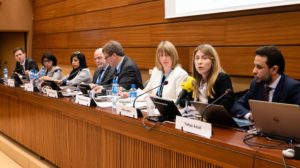
MENA Rights Group hosts its first event at UN Human Rights Council in Geneva, taking the form of a panel discussion on the current human rights situation in Saudi Arabia.
Should the “Law on Information Technology Crimes” be enacted in its current form, it would constitute a serious setback for freedom of expression in Iraq, and would establish a climate of self-censorship in the country.